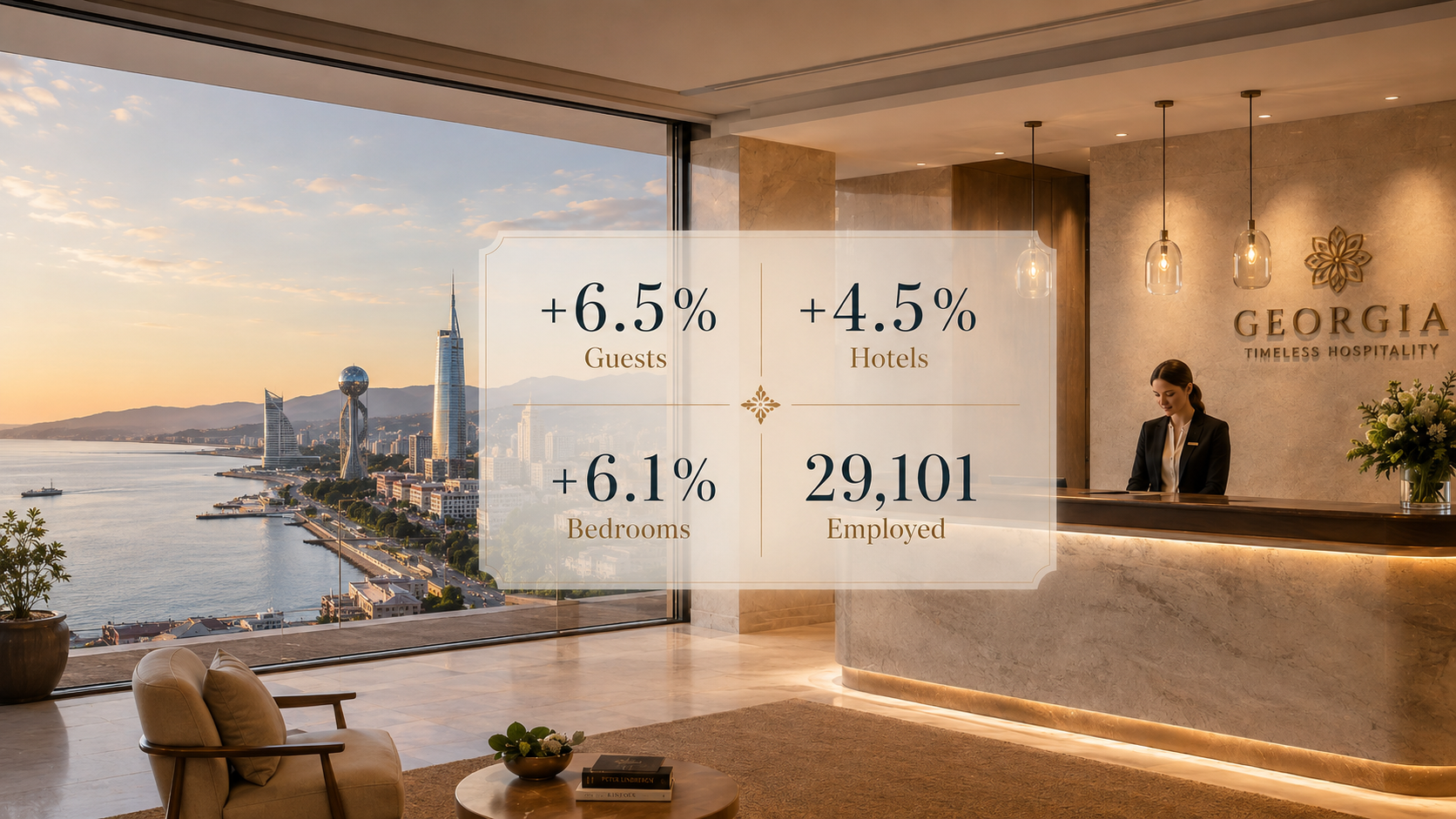
Successful investment in Georgia begins with understanding the local context. Initially, investors tend to focus on Tbilisi and Batumi, yet many soon discover that Georgia offers far more. Within a relatively small territory, the country encompasses remarkably diverse landscapes — from alpine lakes and the Black Sea coastline to mountain ski resorts.
At the same time, investors become acquainted with Georgia’s centuries-old culture, historic monuments, and the world’s oldest winemaking tradition, dating back more than 8,000 years. This unique combination of nature, history, and cultural heritage opens new perspectives for many investors.
With the right strategy, patience, and a reliable local partner, foreign investors have the opportunity not only to enter the Georgian real estate market, but also to become part of one of the region’s most promising long-term investment environments.
A simplified property registration system, relatively low taxes, growing tourism, and a safe business environment are among the key factors attracting foreign investors to Georgia’s real estate market. Yet purchasing property alone does not automatically translate into a successful investment.
For foreign buyers, selecting the right investment property — and managing it effectively after the purchase — can present significant challenges. Many investors are particularly concerned about how to oversee their property remotely, secure reliable tenants, address technical issues, and ultimately generate stable and realistic returns.
In practice, it is not uncommon for foreign investors to purchase property in development projects in Georgia with the expectation of reselling it at a profit or renting it out at a certain price, only to discover later that these expectations are difficult to meet.
A more reliable approach is to work with an experienced local real estate management company that can provide accurate market insight from the outset and support investors not only during the acquisition process but also in the ongoing management of their property.
The exclusive real estate management and investment company Kedaro Group has extensive experience working with international investors. For several years, its specialists have assisted foreign clients with property acquisition, sales, and long-term management.
Nino Osepashvili, co-founder of Kedaro Group, has been leading negotiations with foreign clients for more than five years. She has broad professional experience collaborating with representatives of the diplomatic corps, embassies, as well as public and private institutions. As a licensed translator, she also facilitates the preparation and translation of documentation required for property transactions and registration.
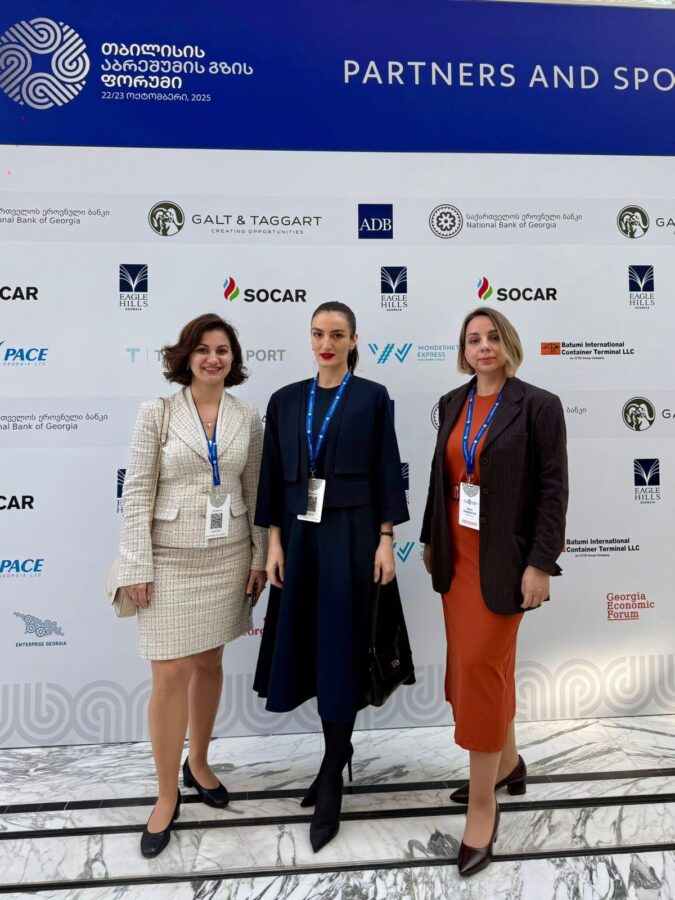
“Having worked with foreign clients for many years, I have developed a strong understanding of their needs. Above all, international investors require a reliable local partner. Our professional network, long-standing clients, and their recommendations provide a level of assurance that when significant financial investments are involved, their property and interests remain secure,” says Nino Osepashvili.
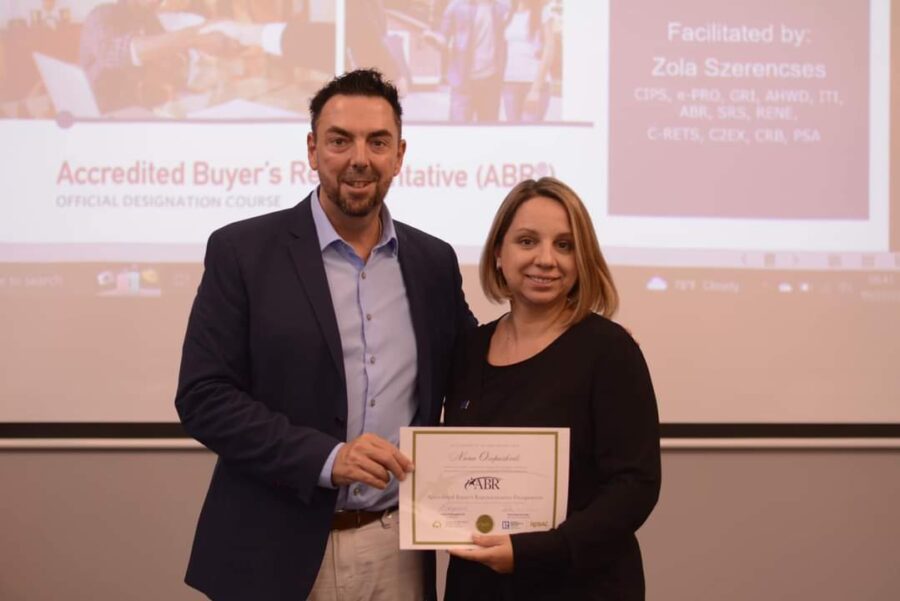
As for one of the most significant challenges that arises after purchasing a property — real estate management — the experienced specialist notes that this issue is particularly critical for foreign owners, who are often not physically present in Georgia.
“Our professional management services ensure long-term rental placement, ongoing technical maintenance of the property, and transparent financial reporting for the owner. In reality, it is effective management that ultimately determines the true profitability of an investment,” says Nino Osepashvili.
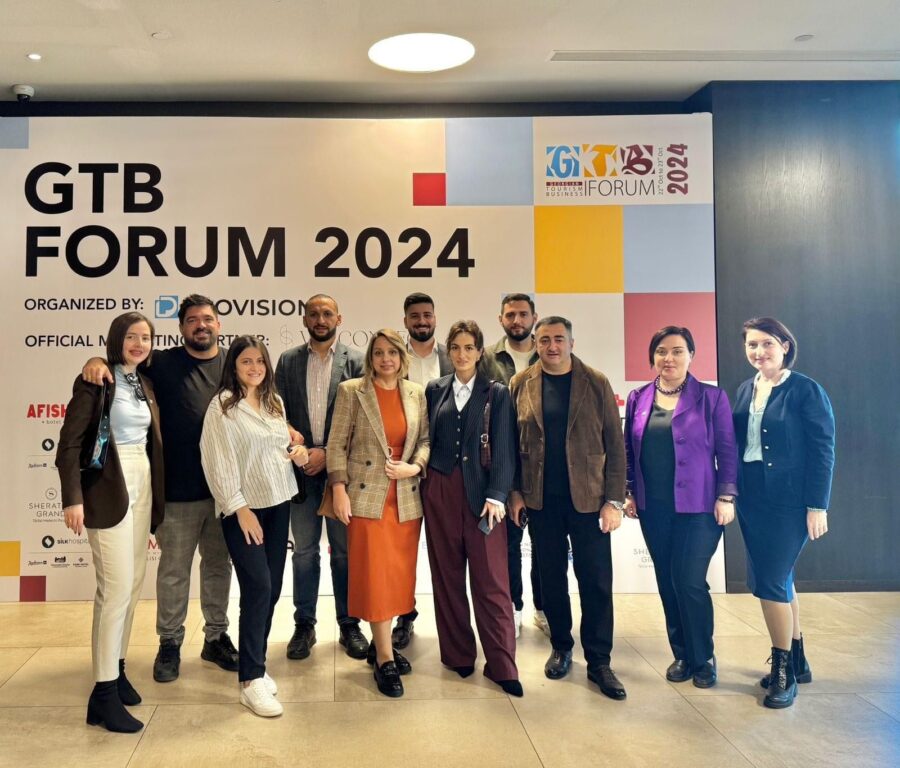
Osepashvili also notes that, in practice, foreign investors place particular importance on selecting a reliable property management company capable of supporting them not only during the acquisition process, but also throughout the long-term operation of the investment.
When choosing such a partner, investors should carefully consider several key factors. These include:
- company’s experience and track record of completed projects,
- availability of comprehensive services — from initial consultation and property selection to ongoing management,
- company’s legal transparency,
- client recommendations and references.
According to Osepashvili, working with a professional and transparent partner can significantly reduce risks and help ensure the long-term success of a real estate investment.
Nevertheless, entering a new market without sufficient research or without partnering with a trusted local professional can expose investors to a number of potential risks.
As Nino Osepashvili notes, some of the most common challenges include:
- acquiring property with unclear legal status,
- engaging with unreliable developers or intermediaries,
- relying on overstated or unverified projections of rental returns,
- encountering ineffective property management after the acquisition.
“For this reason, conducting thorough legal due diligence, carefully analyzing market conditions, and seeking professional investment guidance are essential steps before making any final decision,” the international client negotiations specialist emphasizes.
Regarding the possibility of purchasing real estate in Georgia remotely, Nino Osepashvili explains that the process is relatively straightforward.
Property can be purchased from abroad on the basis of a notarized power of attorney. In such cases, the investor appoints a representative who signs the purchase agreement and completes the property registration in the Public Registry on the investor’s behalf.
“In practice, many foreign investors choose this option when buying real estate in Georgia,” she notes.
Foreign citizens are allowed to purchase freehold residential and commercial property in Georgia with full ownership rights. The only significant restriction applies to agricultural land.
Regarding the documents required for foreign investors to purchase property in Georgia and the complexity of the process, Nino Osepashvili explains that the procedure is relatively simple.
If the investment involves a property under construction, it is essential to verify the developer’s reputation and carefully review the legal status of the property in the Georgia’s Public Registry before proceeding with the purchase.
In most cases, a foreign buyer only needs a passport. The purchase agreement is translated into English to ensure full clarity for the investor — a service that can be provided by Kedaro Group, where Osepashvili works both as a real estate expert and a licensed translator.
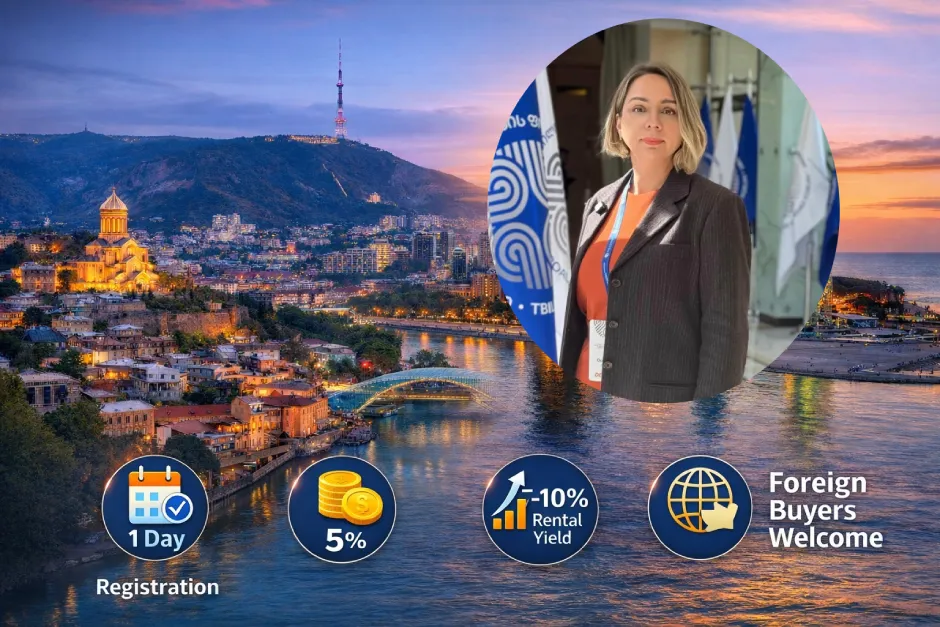
Once the agreement is signed, the property is registered in the Public Registry, a process that can often be completed within one working day.
According to Osepashvili, the simplicity and efficiency of this procedure is one of the reasons why Georgia’s real estate market is widely considered one of the more accessible destinations for international property investors.
The clarity and simplicity of the tax system is one of the reasons why Georgia is often considered an investor-friendly real estate market. If a property is registered under an individual and rented out for residential purposes, the rental income is taxed at only 5% in the case of long-term leases. In contrast, income generated from renting commercial property is subject to a 20% income tax.
Many investors face a common dilemma: whether to invest in a property under construction or purchase a completed asset. According to Nino Osepashvili, both options offer distinct advantages depending on the investor’s strategy. Properties purchased during the construction phase often come at a lower price, with the potential for capital appreciation once the project is completed. By contrast, acquiring a completed property allows investors to start generating rental income immediately, making it an attractive option for those seeking faster returns.
When assessing the profitability of different real estate assets — whether residential apartments, commercial properties, hotels, or investment land — Nino Osepashvili emphasizes that the optimal choice ultimately depends on the investor’s strategy and risk profile.
Residential apartments are generally regarded as the most stable segment of the market and are typically easier to lease, making them an accessible entry point for many investors. Commercial properties, while often capable of delivering higher returns, usually require greater capital investment and careful selection of location in order to ensure consistent tenant demand. Hotel properties can also represent an attractive opportunity, particularly as Georgia continues to strengthen its position as a growing tourist destination. However, this type of investment often requires industry knowledge and professional operational management. Investment land, meanwhile, is typically considered a long-term strategic asset, appealing to investors who are prepared to wait for future development potential.
“In practice, many foreign investors begin with residential apartments, as they are generally viewed as a relatively secure and manageable starting point,” Osepashvili notes.
Rental yields in Georgia are considered relatively competitive compared to many European markets. In downtowns of Tbilisi and Batumi, residential properties can generate annual rental yields of approximately 7–10%, depending on location, property type, and management quality.
Location remains a key consideration for international investors. According to Nino Osepashvili, the highest demand today is concentrated in two major markets — Tbilisi and Batumi. Tbilisi, the country’s capital and economic center, is particularly attractive for stable long-term rentals, supported by steady business activity and a growing population. Batumi, by contrast, has gained popularity among investors seeking tourism-driven and seasonal rental income, benefiting from the city’s rapidly developing hospitality sector and increasing international visitor numbers.
Why Georgia?

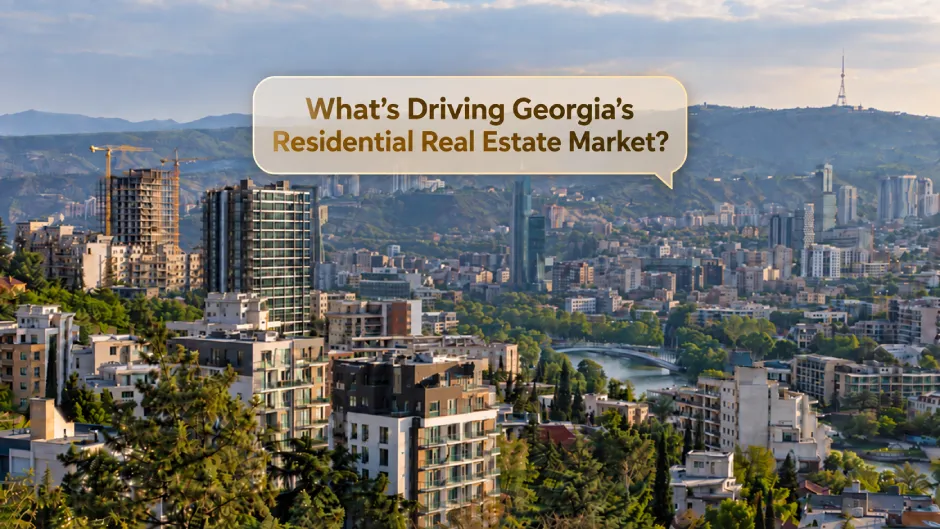
While the purchasing process in Georgia is relatively straightforward, the country’s growing appeal to international investors is driven by a combination of economic growth, investor-friendly regulations, and expanding tourism.
1. A Strategic Gateway Between Europe and Asia
Georgia occupies a unique geopolitical position at the crossroads of Europe and Asia, serving as a regional hub for trade, tourism, and investment. This strategic location continues to attract international capital and global development interest.
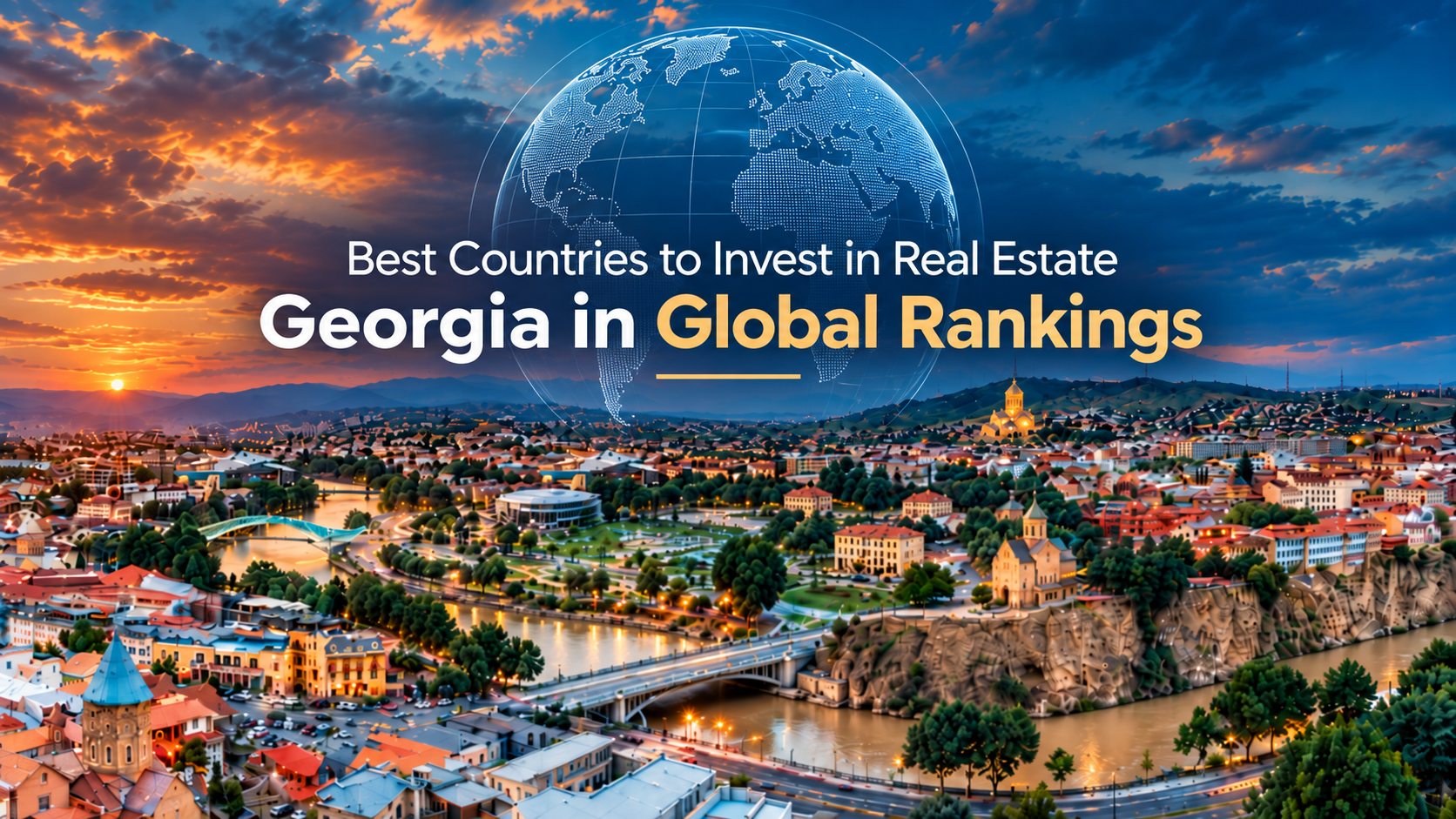
Georgia is globally recognized as a leading investment destination. According to the World Bank’s B-READY 2025 (Business Ready) ranking, Georgia ranks 4th among 101 countries worldwide and 2nd globally in the “Operational Efficiency” dimension — reflecting a streamlined regulatory environment and pro-business framework.
With projected economic growth of 5–7% annually for 2025–2026, key growth sectors include infrastructure, tourism, and real estate.
2. Safety and Stability
Georgia is widely regarded as one of the safest countries in Europe, characterized by a low crime rate and a welcoming, hospitable culture — factors that significantly enhance both residential and tourism investment appeal.
3. Market Growth Indicators
- 3.8 million international visits in 2025
- Residential prices in Tbilisi increased nearly 60% over the past five years
- Rental yields range between 7–10% annually
- The Tbilisi residential market expanded by 11.7% in 2026 (Colliers)
4. Finance & Tax Environment
Georgia offers one of the most liberal property ownership regimes in the region:
- Foreign citizens can purchase freehold property with full ownership rights
- No restrictions for foreign buyers (except agricultural land)
- Fast and transparent property registration procedures
- No tax imposed on the purchase of real estate
Detailed information is available via the Georgian Revenue Service (www.rs.ge).
5. Presence of Global Brands
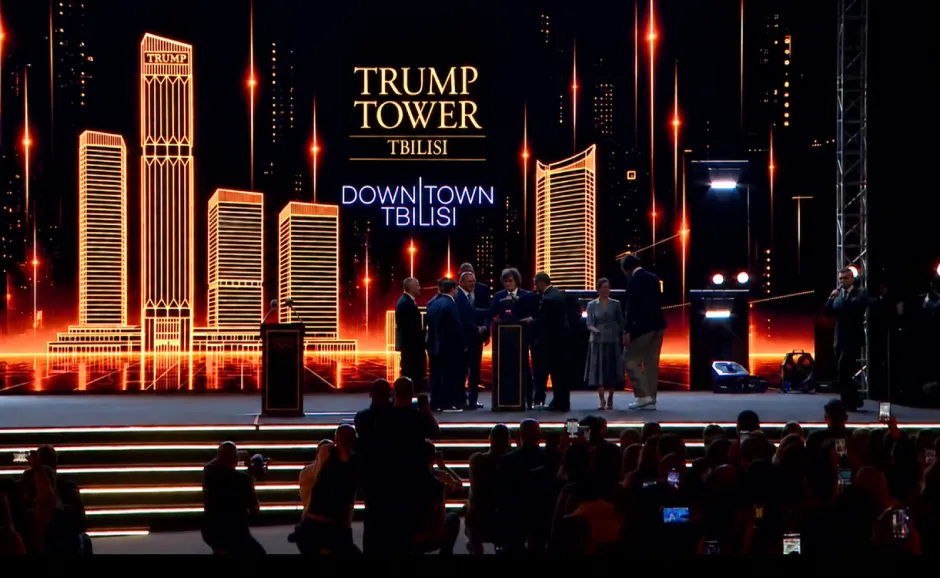
Georgia’s real estate and hospitality sectors have attracted numerous global brands, including: Marriott, Hilton, Radisson Blu, Holiday Inn, Best Western, Trussardi, Tonino Lamborghini, and others.
A landmark $6.6 billion investment by Eagle Hills is expected to significantly enhance infrastructure and real estate development nationwide.
More than 15 international brands are actively operating in Georgia’s real estate and construction markets. Kedaro Group cooperates with many of these global developers.
About Kedaro Group
Kedaro Group has extensive experience in the brokerage, and management of high-class investment properties. The company ensures that every investment is professionally structured, secure, and aligned with long-term value creation.
Professional integrity remains the company’s core principle. Kedaro Group successfully manages complex transactions with international investors and has already earned the trust of more than 1,000 satisfied clients.
-
-
- Email: kedarogroup@gmail.com
- Phone: +995 593 618 181
- Address: 18/22 G. Atoneli Street, 0105 Tbilisi, Georgia
-
- Residential Real Estate Prices in Tbilisi Have Increased by Nearly 60% Over Five Years: +1.5% Quarterly, +3.3% Annually
- History, Architecture and Business – Boutique Hotel for Sale in Old Tbilisi
- Restored 19th-Century Heritage – For Sale, Tbilisi
- The residential property market expanded by 11.7% in Tbilisi, while Batumi recorded a 36.3% increase
- Residential vs. Commercial Real Estate: What an Investor Should Know
- Global Brands in Georgia’s Real Estate and Hospitality Sector