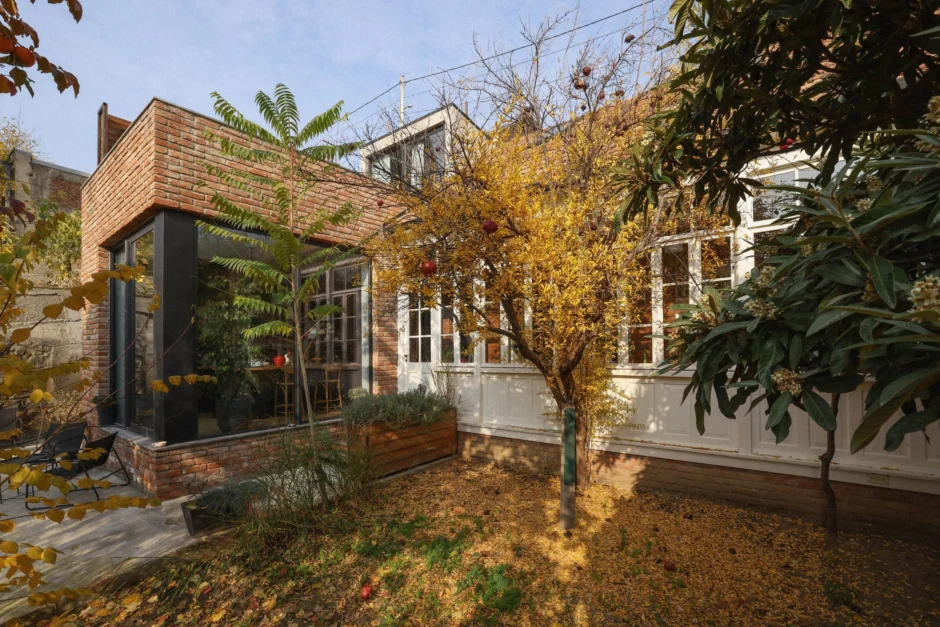
A rare example of late 19th-century Tbilisi brick architecture — carefully restored to preserve its authentic character while integrating modern living standards. Heritage residences of this caliber seldom come to market, presenting a unique opportunity to secure a distinguished piece of Tbilisi’s architectural legacy.
Property Overview
- • Restored late 19th-century brick architecture
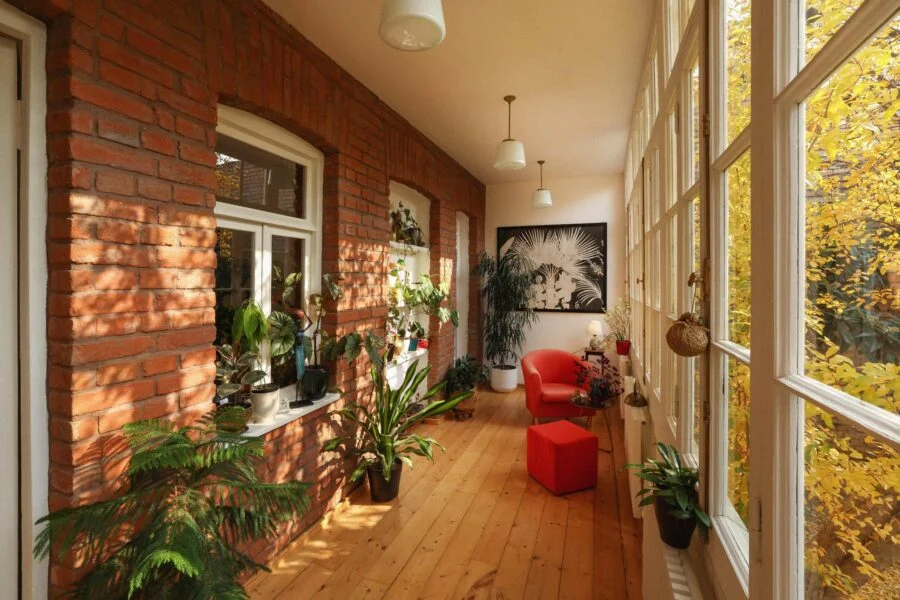
- • Authentic shushabandi balcony
- • Terrace with Funicular & city views
- • 205 sqm interior living space
- • 400 sqm private landscaped garden
- • Prime location near metro, railway station & shopping mall
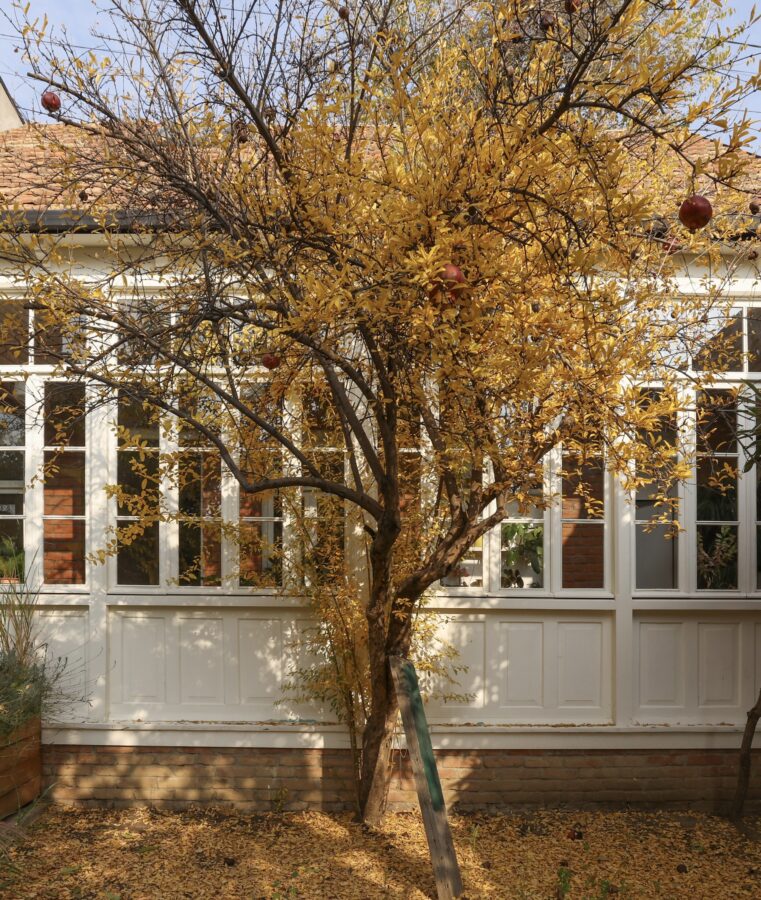
The Discovery
The 19th-century house was not found through a listing. It was discovered.
On a quiet street in one of Tbilisi’s historic districts – Old Nadzaladevi, near the Khudadovi forest, stood a modest brick residence that many would have overlooked. Time had softened its lines. Plaster had faded. Timber had darkened.
Yet beneath the layers of age, something unmistakable remained. The façade carried the characteristics of an architectural layer that was formed at the end of the 19th century and defined the identity of the district.
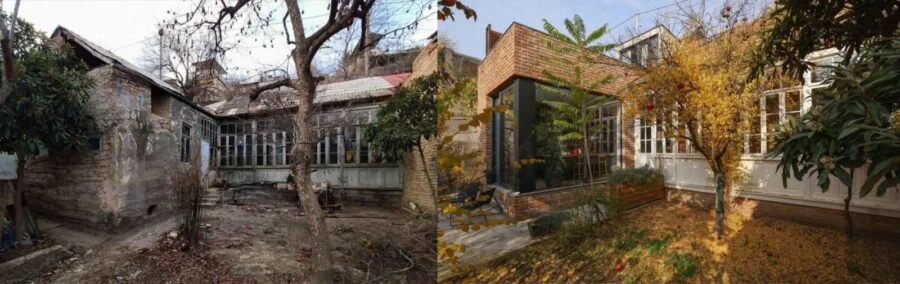
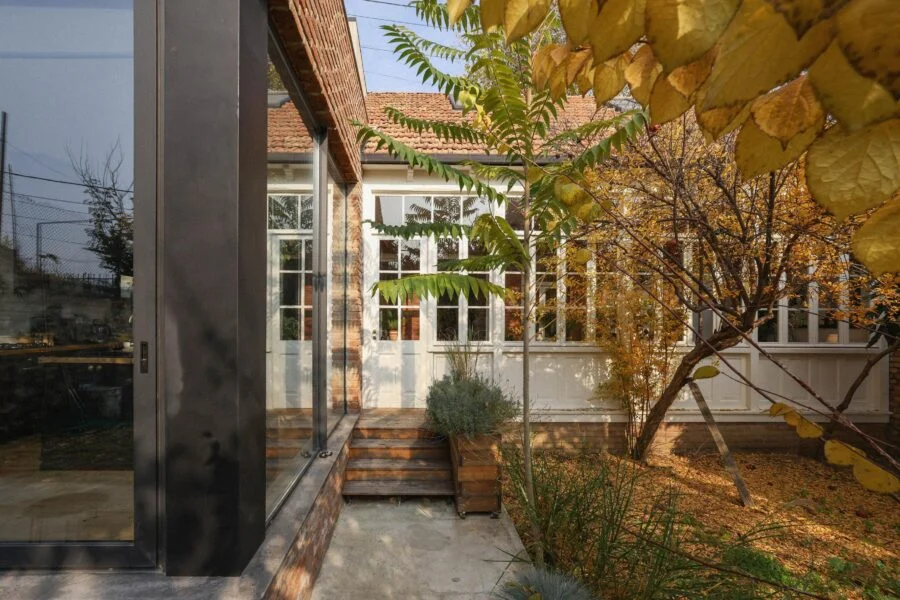
Its weathered yet resilient brickwork revealed craftsmanship rarely seen in contemporary construction. And there was the shushabandi – a traditional, ornately glazed wooden balcony — once central to the social life of old Tbilisi homes.
Renovation
The decision to acquire the property was not driven by development ambition, but by preservation instinct. The vision was clear from the beginning: this was not a structure to be replaced — it was a story to be continued. The goal was simple but demanding: preserve the material memory of the house.
Working closely with a team of architects, structural engineers, and restoration specialists, the owner approached the project not as a reconstruction, but as a dialogue between centuries. Every intervention would respect what already existed. Every modern addition would serve, not dominate.
The reconstruction emphasized natural materials such as wood, brick, and clay tiles, preserving the historical authenticity of the building while creating a healthy and environmentally friendly living environment.
Bricks released during structural adjustments were cleaned and reintegrated into new walls, while timber from the original roof was reused in the flooring and structural beams between levels. Even smaller fragments discovered during dismantling were carefully examined before determining how they could be incorporated into the renewed structure.
All works were completed in full compliance with regulatory requirements and construction permits. Prior to the project, detailed geological and structural assessments were conducted, and the foundation was reinforced to ensure the long-term stability of the building.
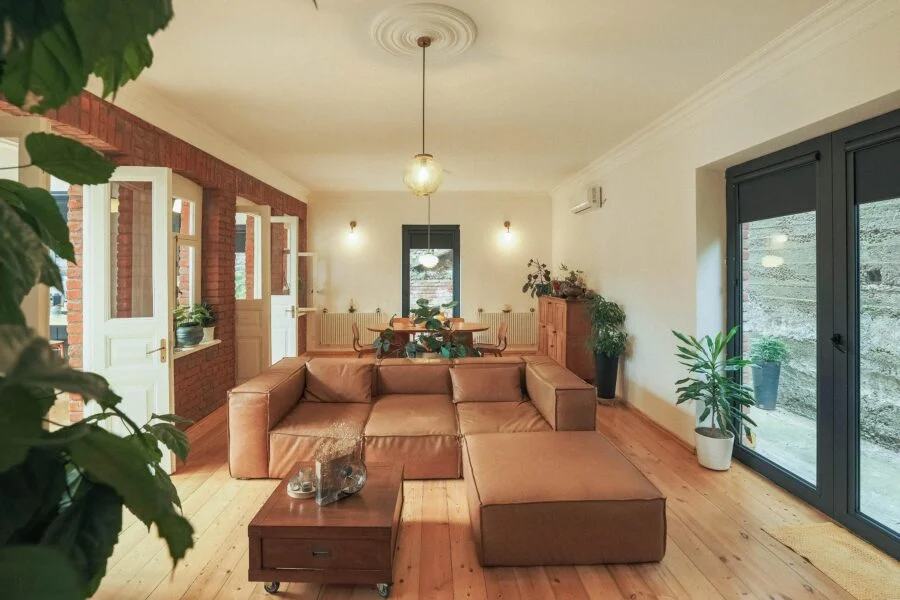
Energy efficiency was an important priority during the reconstruction. The house is insulated according to European standards, ensuring improved thermal performance and reduced energy consumption while maintaining comfortable indoor conditions throughout the year.
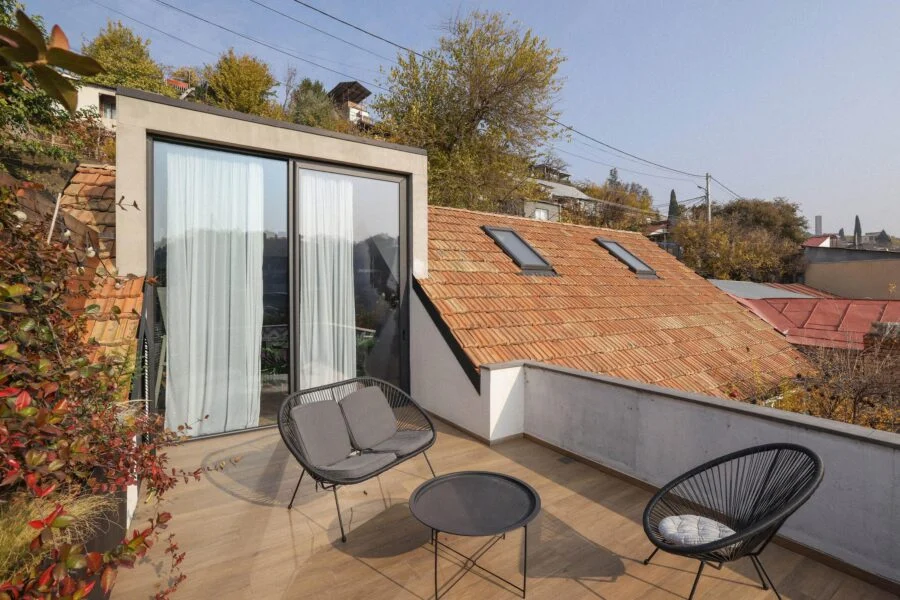
Research revealed the original form of the clay tile roof. Matching tiles were sourced from regional buildings of the same period across Georgia, ensuring historical accuracy rather than approximation.
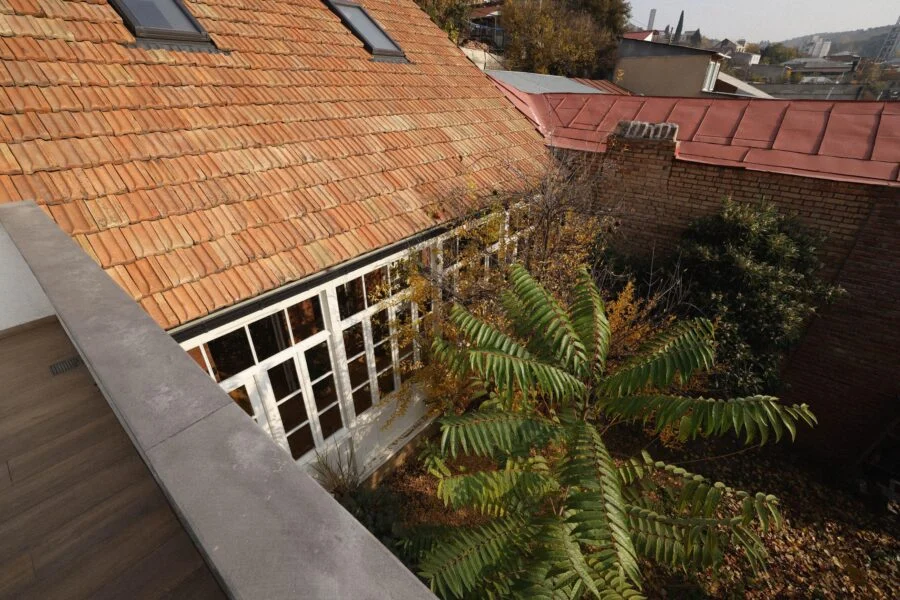
The iconic shushabandi was fully restored.
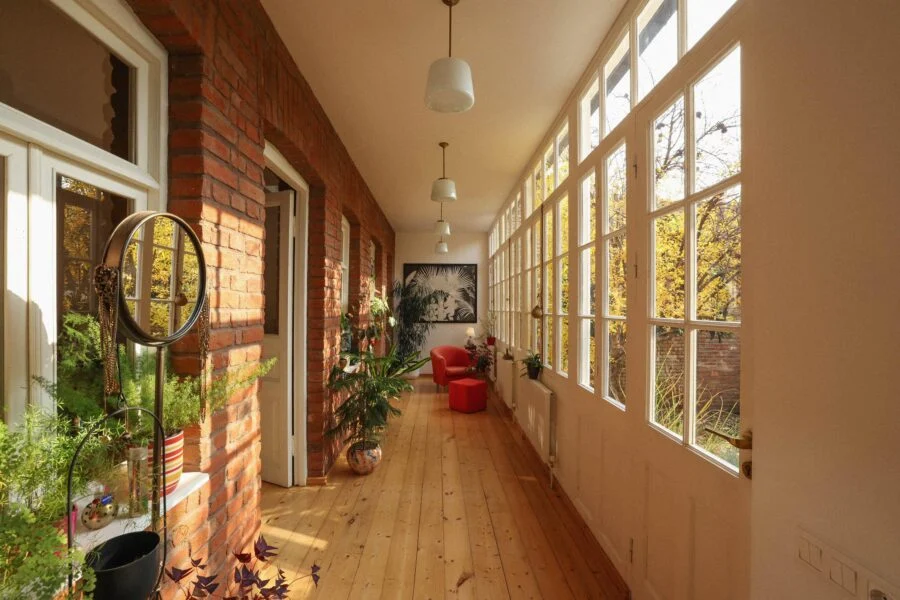
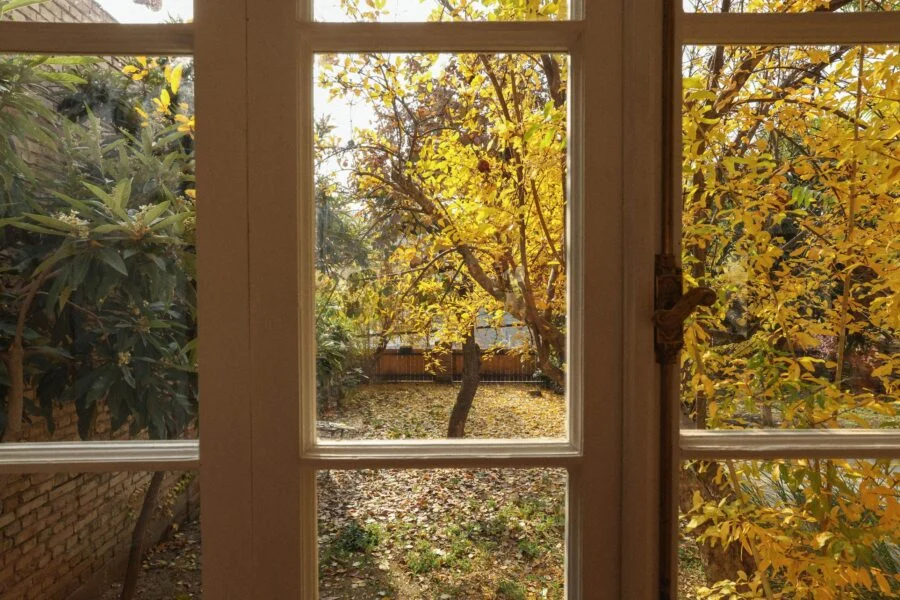
From the street, the home retains its historic silhouette. Modern engineering was quietly embedded within historic walls:16 cm roof insulation, reinforced foundations following geological assessment, concealed drainage systems, and energy-efficient glazing.
Today
Today, the residence stands as a rare architectural continuity: 205 square meters of interior space and 400 square meters of secluded garden — where 19th-century craftsmanship and modern performance coexist without conflict.
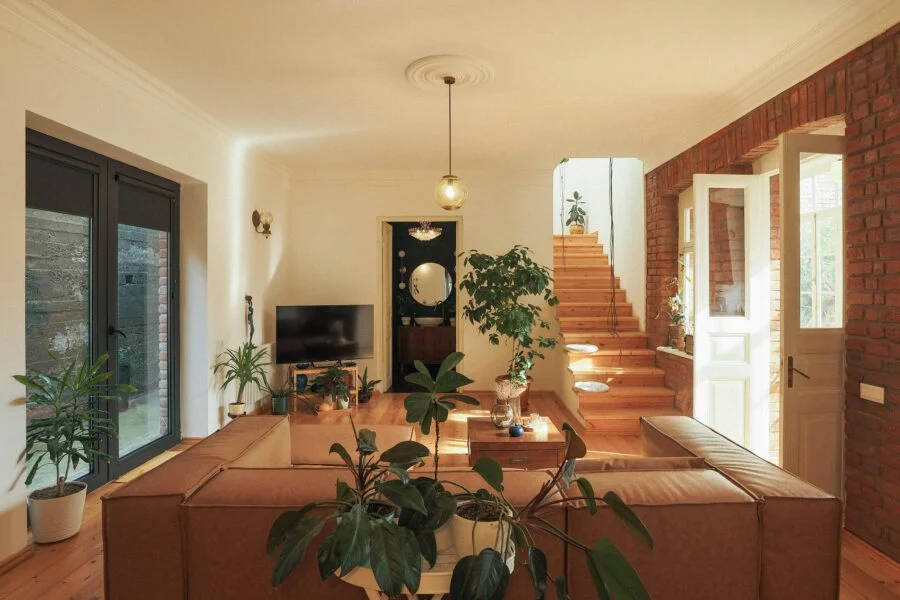
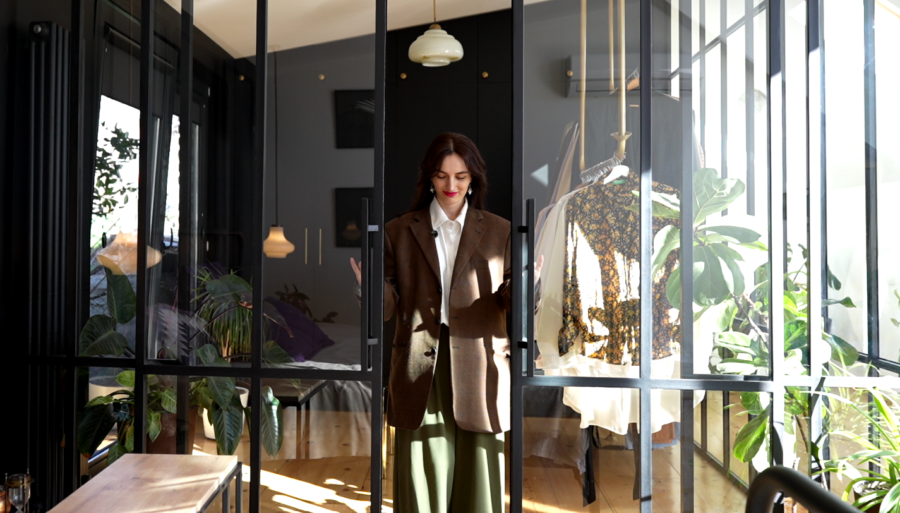
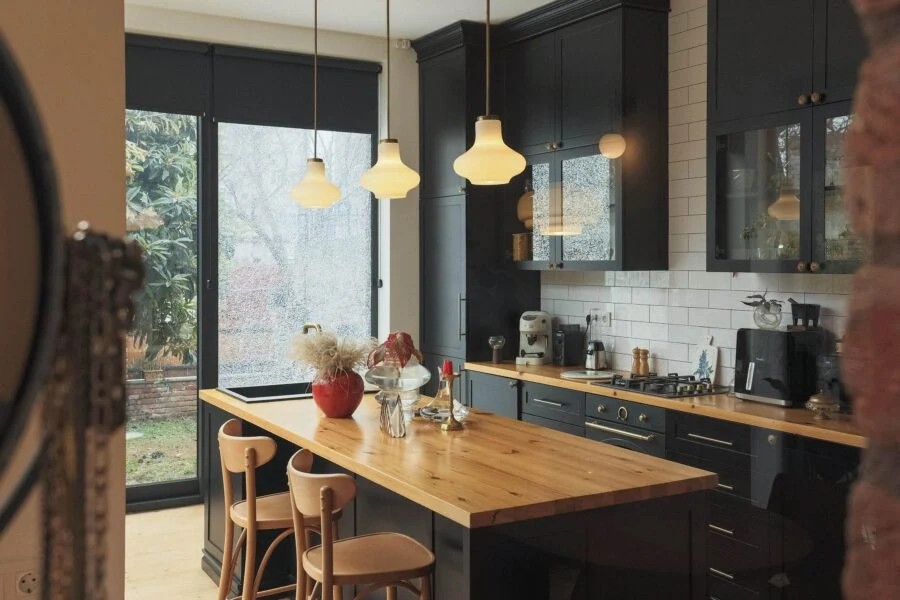
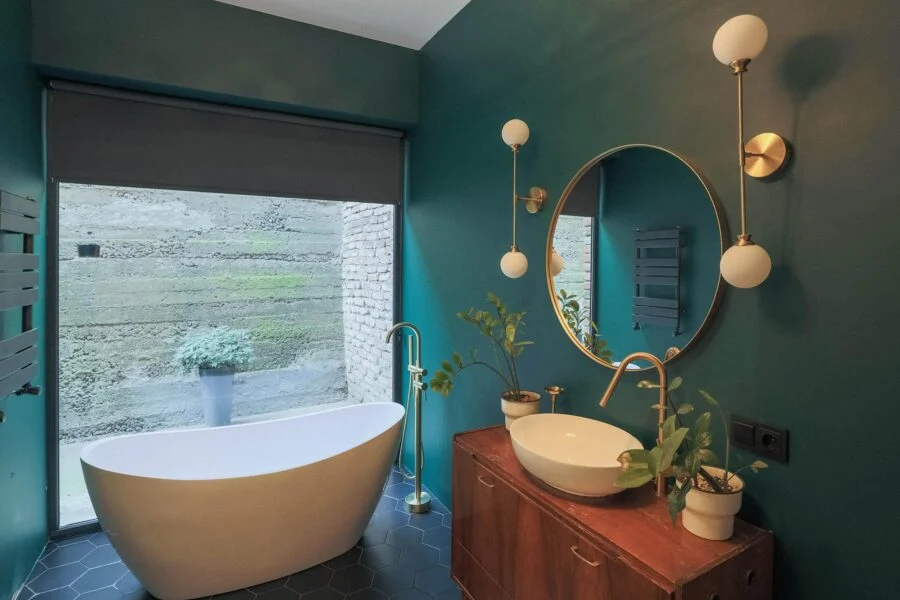
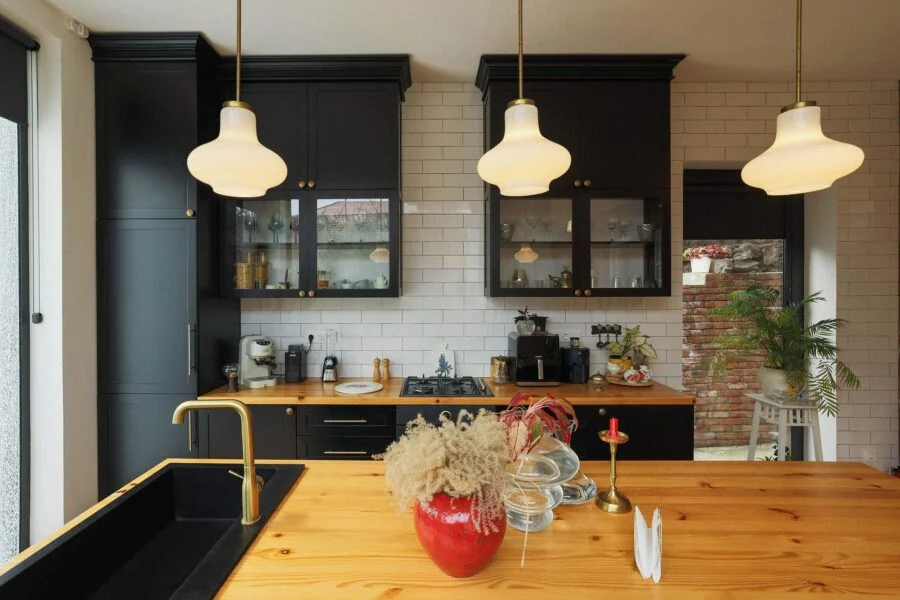
The interior is defined by a thoughtful use of natural materials, creating a healthy and energy-efficient living environment. Flooring on both levels is finished in wood reclaimed and carefully processed from the original structure, preserving the material continuity of the house.
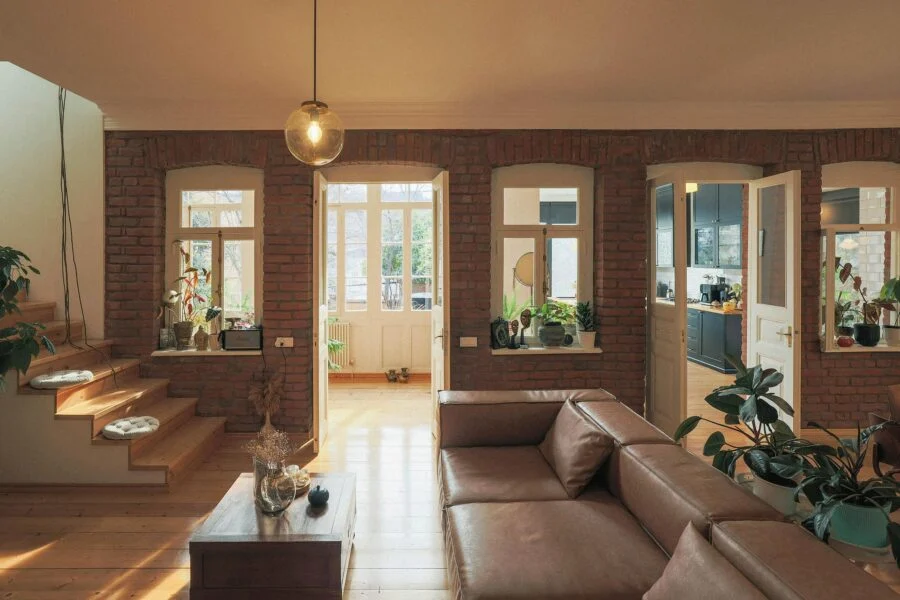
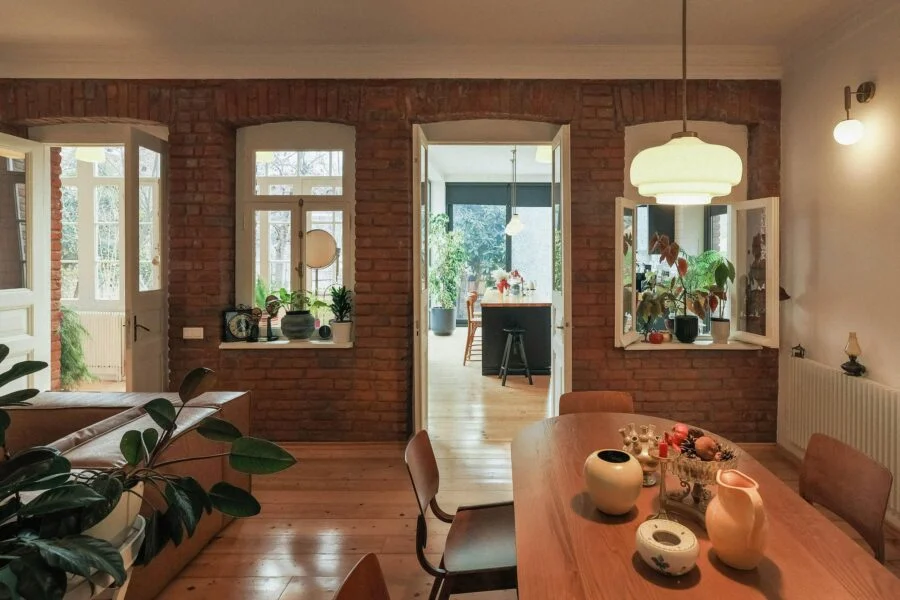
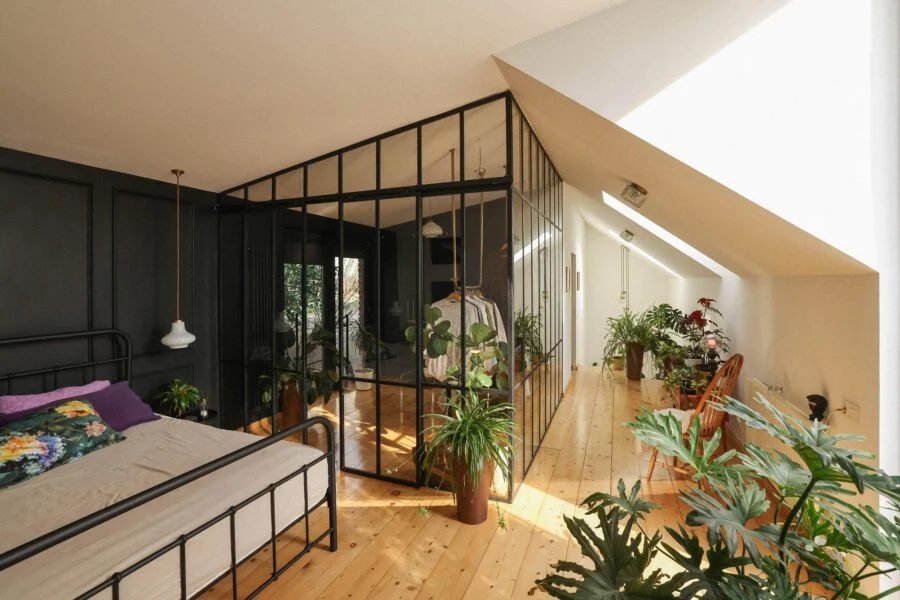
The house is oriented toward the south, allowing natural sunlight to illuminate the interior throughout the day. This orientation enhances both the brightness of the living spaces and the overall energy efficiency of the home.
The house also features built-in storage spaces, carefully integrated into the architecture so they do not occupy living areas. For example, storage is incorporated beneath the staircase on the first floor and within the sloped roof sections on the second floor — turning otherwise unusable spaces into spacious and practical storage.
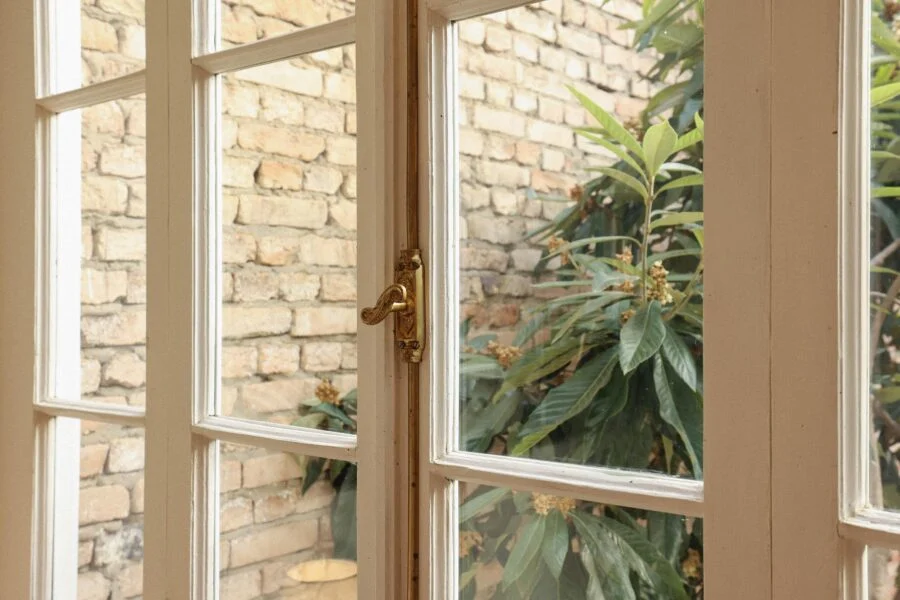
One of the distinctive details of the interior is the copper handles of the shushabandi and interior doors and windows — they were made to special order according to samples found in the old house. The lighting also creates a special atmosphere: the lamps are designed based on a modernized concept of authentic lamps from the same period.
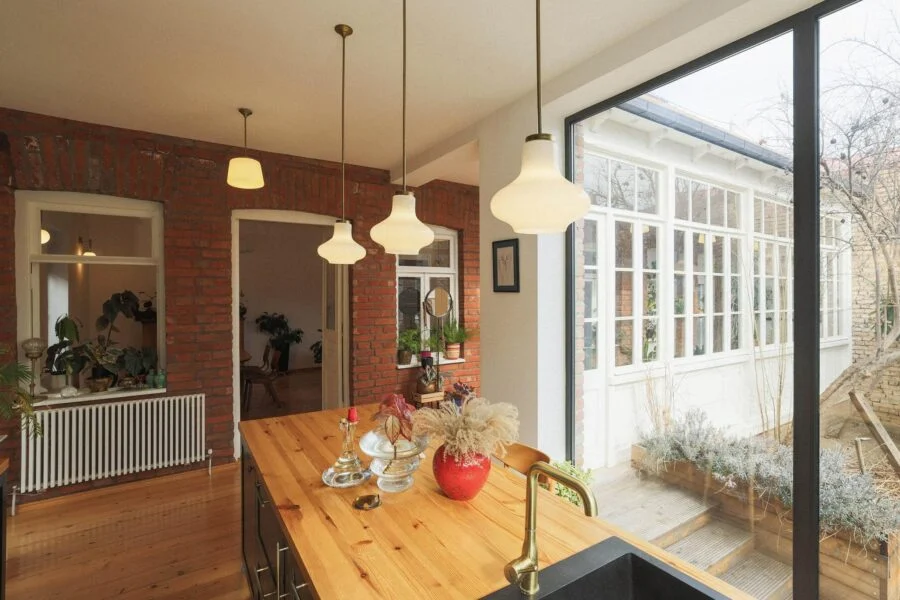
Fully secluded from outside view, the grounds ensure privacy and tranquility. Security is supported by street surveillance cameras accessible via mobile monitoring.
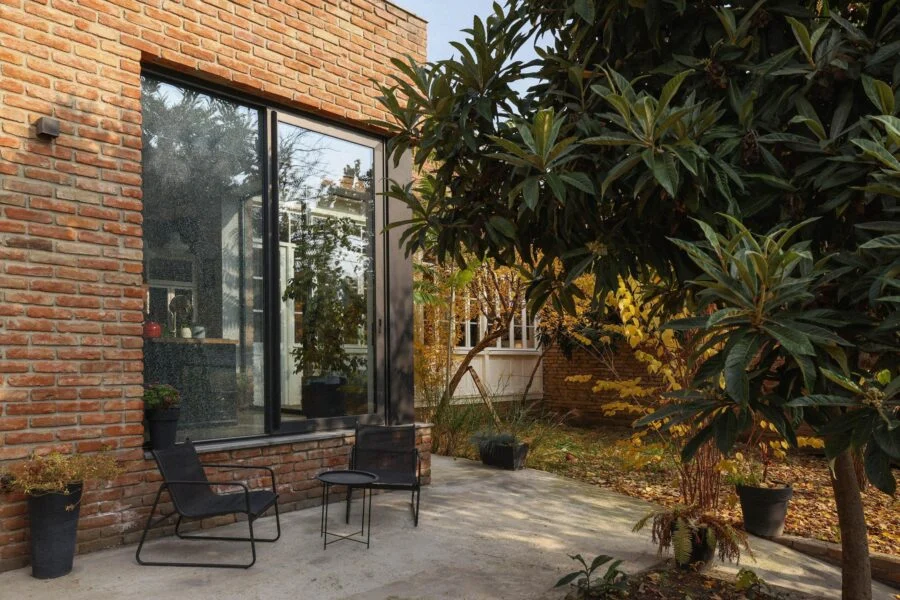
The yard is landscaped with mature trees and perennial plants, naturally envelop the home in summer and creating a naturally cool and pleasant microclimate.
The property is fully enclosed by a perimeter fence inspired by 19th-century design, combining brick and timber in harmony with the house’s historic identity while ensuring privacy and security.
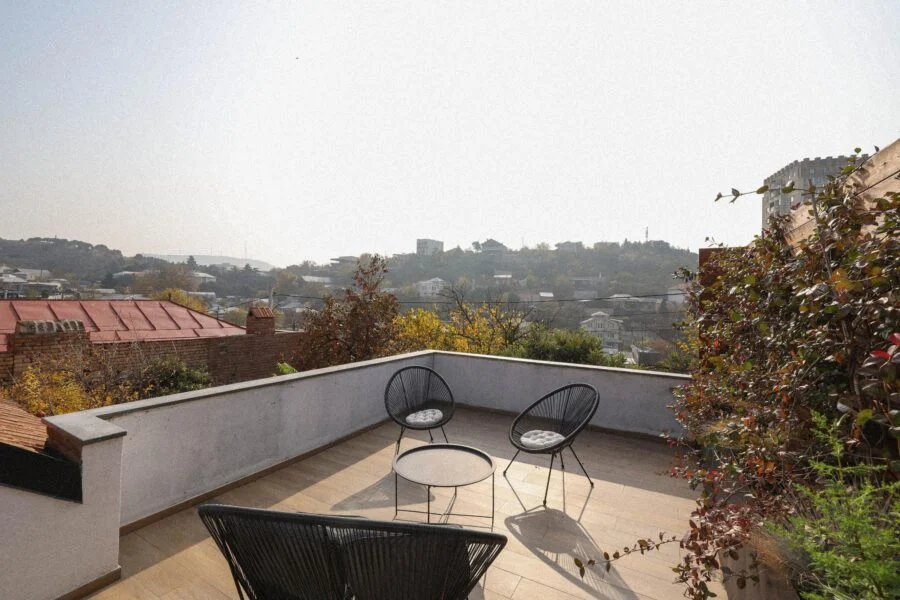
From the terrace, views open toward the Funicular and the city skyline, while the nearby Khudadovi Forest Park creates a favorable microclimate with fresh air and natural greenery.
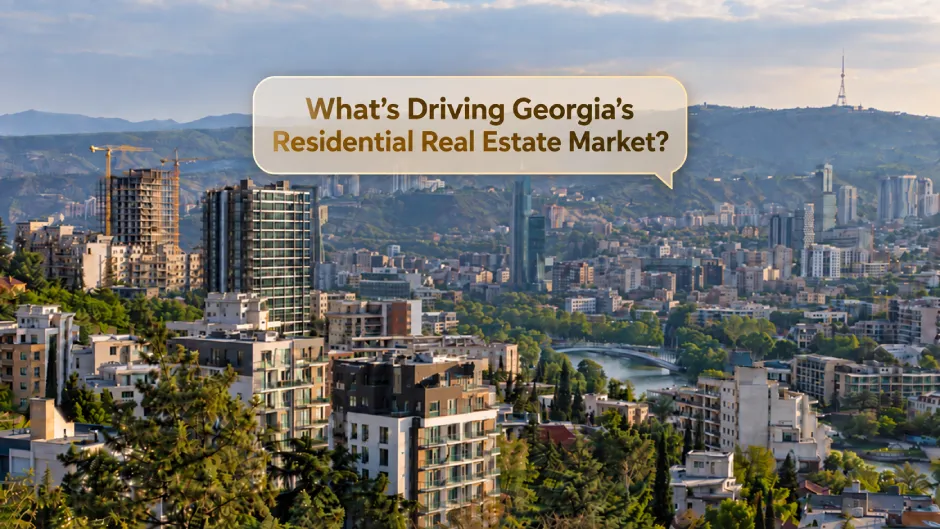
At the same time, Old Nadzaladevi is situated near the geographical center of Tbilisi, providing convenient access to all major districts of the city and ensuring strong connectivity across the capital.
The location is also close to several recreational areas, including Tbilisi Sea — a large artificial reservoir used for leisure, water activities, and outdoor recreation. It is also only minutes from key urban infrastructure, including the Tbilisi Central Railway Station, metro connections, and a shopping mall.
It is a preserved chapter of Tbilisi — now ready for its next owner.
Managing Company – Expertise You Can Trust
Thanks to its location, architectural character, and private landscaped grounds, the property offers exceptional flexibility — 1. ideal as a distinguished private residence, 2. a high-end rental asset, 3. an intimate boutique hospitality concept, or 4. a curated commercial space such as a café or cultural venue (subject to relevant approvals).
This residence is exclusively represented by Kedaro Group, which is recognized for its expertise in identifying, structuring, and managing historically significant properties in Old Tbilisi — a niche segment requiring both architectural sensitivity and strategic investment insight. Over the years, Kedaro Group has successfully facilitated complex transactions for international investors and earned the trust of more than 1,000 clients.
Ekaterine Tchigladze, Co-Founder & Director of Kedaro Group recalls:
“When I first came to view the property and stepped into the garden, I felt something I rarely experience in my profession. After years of selling and evaluating homes, I am trained to see structure, value, and potential. But here, I felt something beyond analysis. It was as if every fragment of a home I had ever imagined had come together in one place. If I had the opportunity to purchase this property myself today, I would not hesitate for a moment. After so many years in real estate, I had finally encountered a house that felt like my own.”
Why Tbilisi?
Beyond its architectural significance, the property’s value is further reinforced by the broader dynamics of Tbilisi’s rapidly expanding real estate and tourism market:
1. A Strategic Gateway Between Europe and Asia
Georgia occupies a unique geopolitical position at the crossroads of Europe and Asia, serving as a regional hub for trade, tourism, and investment. This strategic location continues to attract international capital and global development interest.
Georgia is globally recognized as a leading investment destination. According to the World Bank’s B-READY 2025 (Business Ready) ranking, Georgia ranks 4th among 101 countries worldwide and 2nd globally in the “Operational Efficiency” dimension — reflecting a streamlined regulatory environment and pro-business framework.
With projected economic growth of 5–7% annually for 2025–2026, key growth sectors include infrastructure, tourism, and real estate.
2. Safety and Stability
Georgia is widely regarded as one of the safest countries in Europe, characterized by a low crime rate and a welcoming, hospitable culture — factors that significantly enhance both residential and tourism investment appeal.
3. Tourism & Investment Capital
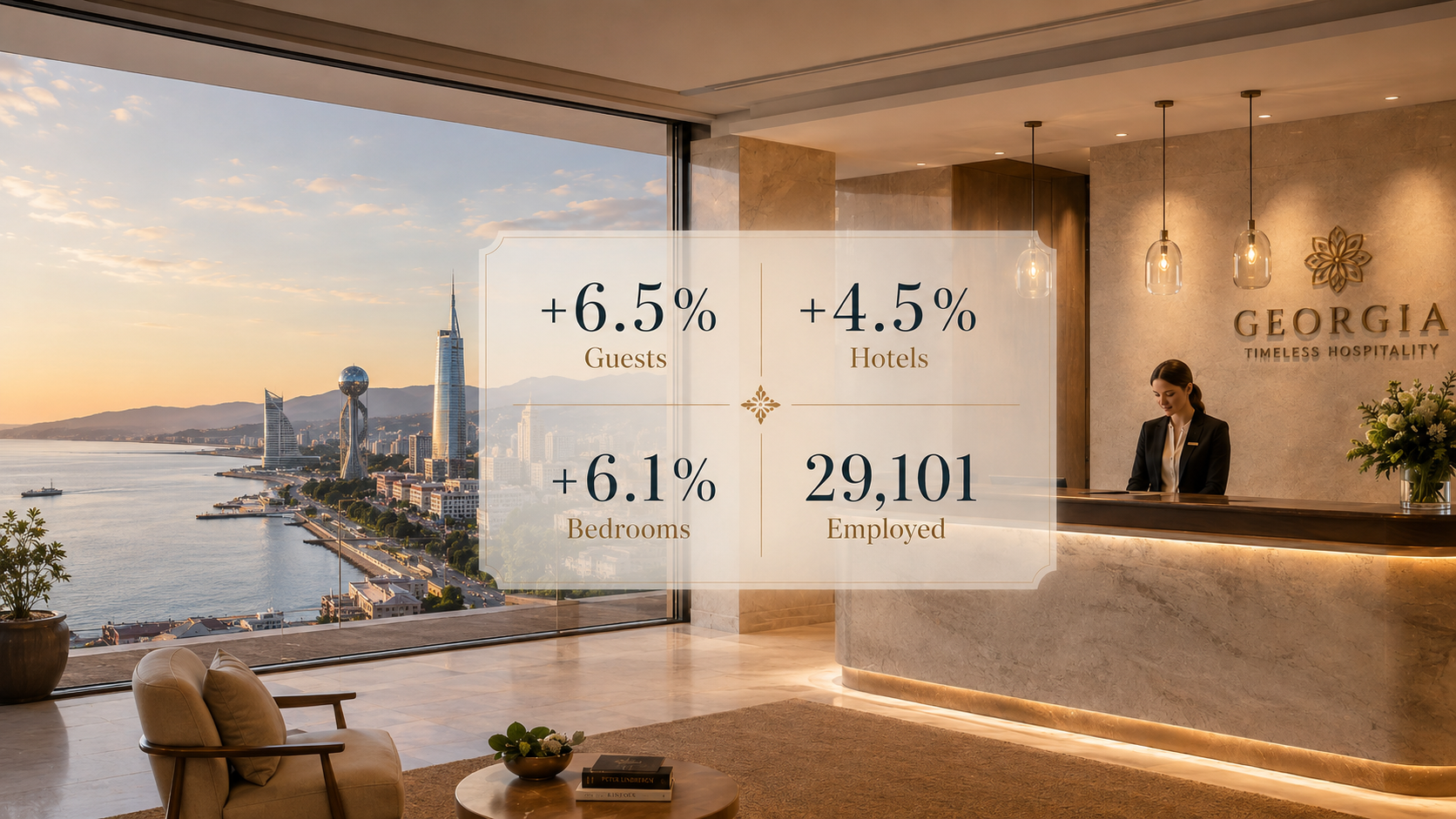
Tbilisi continues to strengthen its position as Georgia’s primary tourism and hospitality hub. The figures reflect sustained demand
- Approximately 3.8 million international visits were recorded in 2025.
- The city has seen nearly 60% residential price growth over the past five years.
- According to Colliers, the Tbilisi residential market size increased by 11.7% in 2026.
- According to the National Statistics Office of Georgia, private house prices increased 2.5% year-over-year.
- From 2020 to 2025 private house prices have increased by 64.8% in Tbilisi.
4. Finance & Tax Environment
Georgia offers one of the most liberal property ownership regimes in the region:
- Foreign citizens can purchase freehold property with full ownership rights
- No restrictions for foreign buyers (except agricultural land)
- Fast and transparent property registration procedures
- No tax imposed on the purchase of real estate
Detailed information is available via the Georgian Revenue Service (www.rs.ge).
5. Presence of Global Brands
Georgia’s real estate and hospitality sectors have attracted numerous global brands, including: Marriott, Hilton, Radisson Blu, Holiday Inn, Best Western, Trussardi, Tonino Lamborghini, and others.
A landmark $6.6 billion investment by Eagle Hills is expected to significantly enhance infrastructure and real estate development nationwide.
More than 15 international brands are actively operating in Georgia’s real estate and construction markets. Kedaro Group cooperates with many of these global developers.
Properties of this architectural integrity and historical authenticity are exceptionally rare in Tbilisi — particularly those offering both private residential comfort and flexible investment potential.
For international buyers unfamiliar with local regulations, taxation structures, and transaction procedures, professional guidance is essential.
The experts at Kedaro Group provide comprehensive advisory support — from legal due diligence and tax consultation to negotiation, acquisition strategy, and long-term asset management.
 Contact: Ekaterine Tchigladze,
Co-Founder & Director, Kedaro Group
Specialist in exclusive property management and international investment negotiations,
+8 years of professional experience
Mobile: +995 593 61 81 81, Mail: kedarogroup@gmail.com
Video Link of the property on Kedaro Group’s social page
Photo: By Guram Kapanadze