Living spaces continuously evolve, refine, and transform in step with human progress. From prehistoric caves to today’s smart home concepts, the scale of this transformation is truly remarkable. Technological advances in the 20th and 21st centuries have significantly accelerated this process. Professionals in the field are constantly challenged to solve complex issues related to spatial planning, resource allocation, and design—and the results are clearly visible. Architectural solutions, interiors, and exteriors are becoming increasingly sophisticated. Even buildings constructed just 10–20 years ago already appear outdated when compared to contemporary developments.
New construction methods, materials, approaches, requirements, and technologies keep the sector in a constant evolution. This naturally raises the question: which trends will define the construction industry in 2026?
Digital Twins and BIM
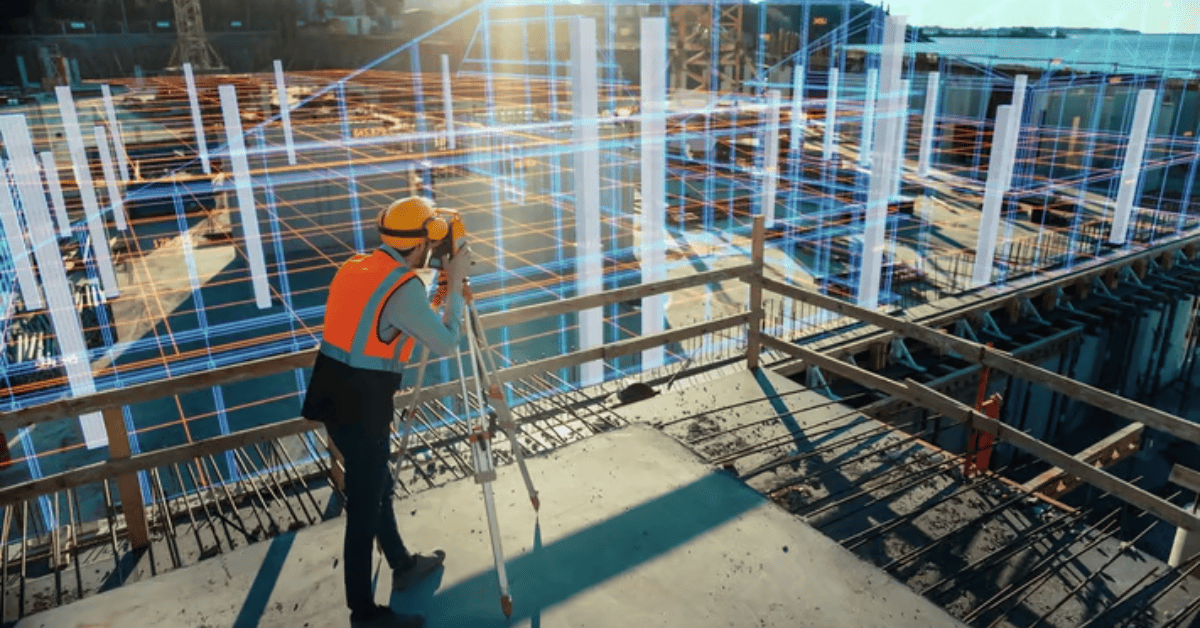
One of the most advanced approaches in modern construction is the use of Digital Twins and Building Information Modeling (BIM). In essence, this means that all project data exists within a unified digital environment. Simply put, it is a digital replica of a building.
Architects, engineers, and contractors collaborate within this shared space to create a functional, virtual 3D model of the project. This model is far more than a visual representation—it reflects the entire lifecycle of a building, from concept and design to construction and operation.
Augmented Reality (AR) and Virtual Reality (VR) further enhance coordination among all stakeholders. Project visualization allows clients to preview the completed building in advance, while real-time, detailed digital models reduce the risk of errors, prevent costly redesigns during construction, and streamline communication. These technologies also support more efficient asset management during the operational phase.
Robotics and Automation
Automated machinery and equipment have fundamentally transformed the way buildings and infrastructure are constructed. These systems operate with minimal human intervention. The integration of robotics and automation in construction significantly improves on-site safety, boosts productivity, addresses labor shortages, and reduces overall project costs.
Robots execute tasks with high precision by following digital instructions, minimizing errors and ensuring consistent quality. At the same time, machines collect real-time data on materials, progress, and site conditions. Automation reduces waste and delivers substantial cost savings. Cameras, sensors, GPS, and related technologies are actively used in excavation, material transportation, and continuous site monitoring.
Modular Construction and Prefabrication
Modular construction has emerged as a modern building method in which structural components are manufactured in controlled factory environments and later assembled quickly on-site. This approach, combined with prefabrication, significantly shortens project timelines, as a large portion of the work takes place off-site. Modular construction improves quality control, minimizes material losses, and prevents delays. In addition, prefabrication reduces energy consumption and material usage, making the construction process more efficient and sustainable.
Sustainable Materials and Green Technologies
Given growing environmental concerns, construction materials and technologies are receiving increased attention. To reduce environmental impact, companies are increasingly using recycled steel and low-carbon concrete, which emit less CO₂ during production. Biodegradable composite materials further help minimize ecological harm. At the same time, renewable energy solutions and smart insulation systems are becoming integral components of modern construction, reinforcing the sector’s shift toward sustainability.
Smart Construction Sites and IoT Technologies
Internet-connected monitoring sensors—commonly referred to as the Internet of Things (IoT)—are smart devices that observe and analyze processes on construction sites. They collect and transmit real-time data related to safety, pressure, temperature, and humidity.
These systems function as the “eyes and ears” of smart construction sites, converting physical parameters into digital data for continuous monitoring and analysis. IoT-enabled devices track equipment and workforce movement, safety conditions, and resource consumption—including energy, materials, and time—in real time.
3D Printing in Construction
One of the most notable innovations of recent years is 3D printing in construction, a trend that is expected to continue in 2026. This technology involves the layer-by-layer printing of concrete based on pre-designed digital models.
Buildings constructed using 3D printing can be completed much faster and at lower cost, as most of the work is carried out by robotic systems. For this reason, 3D printing is often considered the future of construction. The technology enables high-quality results with reduced expenses and execution times that are up to 50% faster.
Today, 3D printers are already used to construct load-bearing walls. In France, ViliaSprint2 stands as Europe’s largest residential building created using 3D printing technology. The load-bearing walls of this three-story, 800-square-meter structure were printed in just 34 working days.
Drones in Construction
By 2026, drones are expected to become a common presence on construction sites. Equipped with advanced cameras and monitoring systems, drones capture and transmit real-time data on site activities. They play a crucial role in improving safety and allow project stakeholders to monitor progress remotely.
Blockchain Systems and Artificial Intelligence
Artificial intelligence (AI) and blockchain technologies are steadily gaining ground in modern construction processes. AI has become a practical, everyday tool, supporting resource allocation through advanced algorithms.
Integrating AI into shared data and document management systems enables organizations to use information more effectively and identify risks at earlier stages. AI also supports more efficient waste management, contributing to reduced environmental impact.
Globally, artificial intelligence and machine learning are among the fastest-adopted technologies in the construction sector. According to Deloitte Australia’s study “State of Digital Adoption in the Construction Industry”, 37% of companies now use AI and machine learning, compared to just 26% in 2023, when the first edition of the study was released.
Energy Efficiency and Spatial Planning
Energy efficiency not only supports environmental protection but also significantly reduces the operating costs of residential spaces. Modern projects increasingly incorporate energy-saving technologies such as solar panels, energy-efficient windows, and advanced lighting systems.
In recent years, developers have placed greater emphasis on residents’ needs when designing housing complexes. Green areas, recreational spaces, playgrounds, and relaxation zones have become essential elements of contemporary residential development.
Conclusion
An overview of construction trends for 2026 clearly demonstrates that the sector is increasingly driven by technology, data, and sustainability-oriented solutions. Digital Twins, BIM, artificial intelligence, robotics, modular construction, and 3D printing are no longer futuristic concepts—they are already integral to everyday construction practice.
The central challenge remains creating comfortable living environments while minimizing environmental impact. In 2026, the most competitive companies will be those that adapt to technological trends in a timely manner and respond to emerging challenges with smart, strategic solutions.
If you are considering investing in real estate in Georgia, Kedaro Group is ready to provide you with professional guidance.
Contact us:
- Email: kedarogroup@gmail.com
- Phone: +995 593 618 181
- Address: 18/22 G. Atoneli Street, 0105 Tbilisi, Georgia